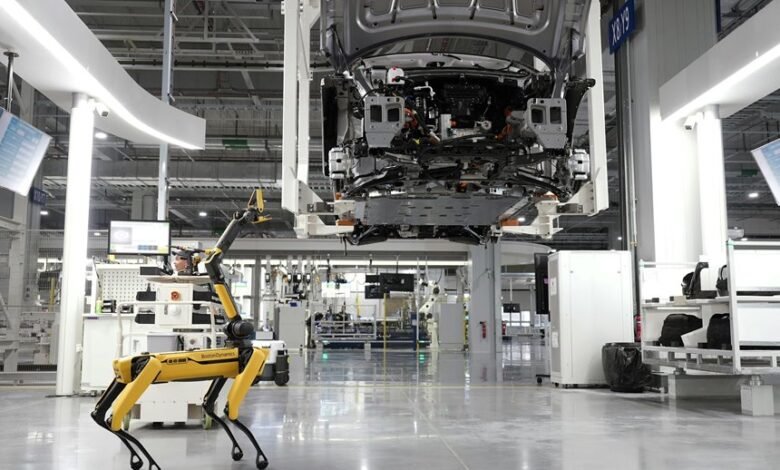
The Smart Automation System 2120002915 exhibits notable performance attributes through its efficiency benchmarks and productivity analysis. Continuous data monitoring enhances operational efficacy while promoting user autonomy. Its integration capabilities enable versatility across various sectors, fostering innovation and optimizing system output. As industries evolve, understanding the implications of these features becomes crucial. What specific advancements can be anticipated as the system adapts to future demands?
Key Features of the Smart Automation System 2120002915
The Smart Automation System 2120002915 incorporates several key features that enhance its operational efficiency and adaptability.
Its intuitive user interface facilitates seamless interaction, empowering users to navigate complex functionalities with ease.
Additionally, robust integration capabilities allow for compatibility with various systems, ensuring a cohesive technological environment.
These attributes collectively support user autonomy while optimizing overall system performance, fostering a flexible operational landscape.
Performance Metrics: Measuring Efficiency and Productivity
Measuring the efficiency and productivity of the Smart Automation System 2120002915 requires a comprehensive set of performance metrics that reflect its operational capabilities.
Key metrics include efficiency benchmarks that assess throughput and resource utilization, alongside productivity analysis that evaluates output quality and cycle times.
These metrics provide critical insights, enabling organizations to optimize processes and enhance overall performance while maintaining operational freedom.
Real-World Applications Across Different Industries
Across various sectors, the Smart Automation System demonstrates significant versatility and effectiveness in streamlining operations.
In manufacturing optimization, it enhances production efficiency through precise control and real-time data analysis.
Meanwhile, healthcare automation improves patient care delivery, optimizing workflows and reducing administrative burdens.
These applications illustrate the system’s capacity to adapt to diverse industry needs, ultimately driving innovation and operational excellence.
Future Trends: How Does the System Adapt and Evolve?
How does a Smart Automation System continue to evolve in an ever-changing technological landscape?
It leverages adaptive algorithms and evolutionary learning to enhance its functionality and responsiveness. By continuously analyzing real-time data, the system can adjust its operations, optimize processes, and anticipate user needs.
This dynamic adaptability not only improves efficiency but also empowers users, providing the freedom to innovate within their respective domains.
Conclusion
In conclusion, the Smart Automation System 2120002915 stands as a beacon of efficiency in the landscape of modern automation, illuminating the path toward enhanced productivity and innovation. Its superior integration capabilities and adaptability across diverse industries not only optimize resource utilization but also redefine operational benchmarks. As the system evolves with emerging trends, it continues to sculpt a future where automation and human autonomy harmoniously coexist, driving transformative advancements in performance and quality.